
Why I Chose a Dog: A 2026 Story of Mud, Manners, and Loyalty
Last winter, in 2026, I housesat for a friend’s cat, Miso, and spent two weeks learning the choreography of litter dust, midnight hairballs, and a tiny landlord who regarded my presence as a temporary inconvenience. Then, in March, I adopted Juniper, a scruffy mixed-breed dog from a local shelter. I had always assumed cats were easier. By the time Juniper had learned to sit, wait at the door, and trot to the same patch of grass each morning, I understood why so many people say dogs are better than cats. This is not a declaration of war on cats. It is a story about why, for my life in 2026, a dog fit like a well-worn glove.
Let me start with the least glamorous reason: bathrooms. Miso’s litter box was a small indoor weather system of dust and odor. No matter how often I scooped, the box seemed to announce itself from the next room. Litter traveled across the floor like tiny gravel messengers. Juniper, by contrast, learned a simple schedule. She uses the yard or a patch of grass on our walks. I carry poop bags, and I pick up after her, but the urine and the mess happen outdoors, not beside my kitchen. Cleaning up after a dog is not fun, but it is a straightforward outdoor chore. That alone changed the atmosphere of my home.
Play is the next chapter. Miso’s independence was like a jazz solo—beautiful, but not always interested in my accompaniment. She batted a toy around for a few minutes, then walked away as if she had humored me. Juniper wants me in the game. We play fetch with a ball, tug-of-war with a rope, and chase in the yard. When she meets a friendly dog, we arrange a playdate. Play is not just amusement; it is a shared language. I throw, she runs, and somehow the whole day feels less heavy.
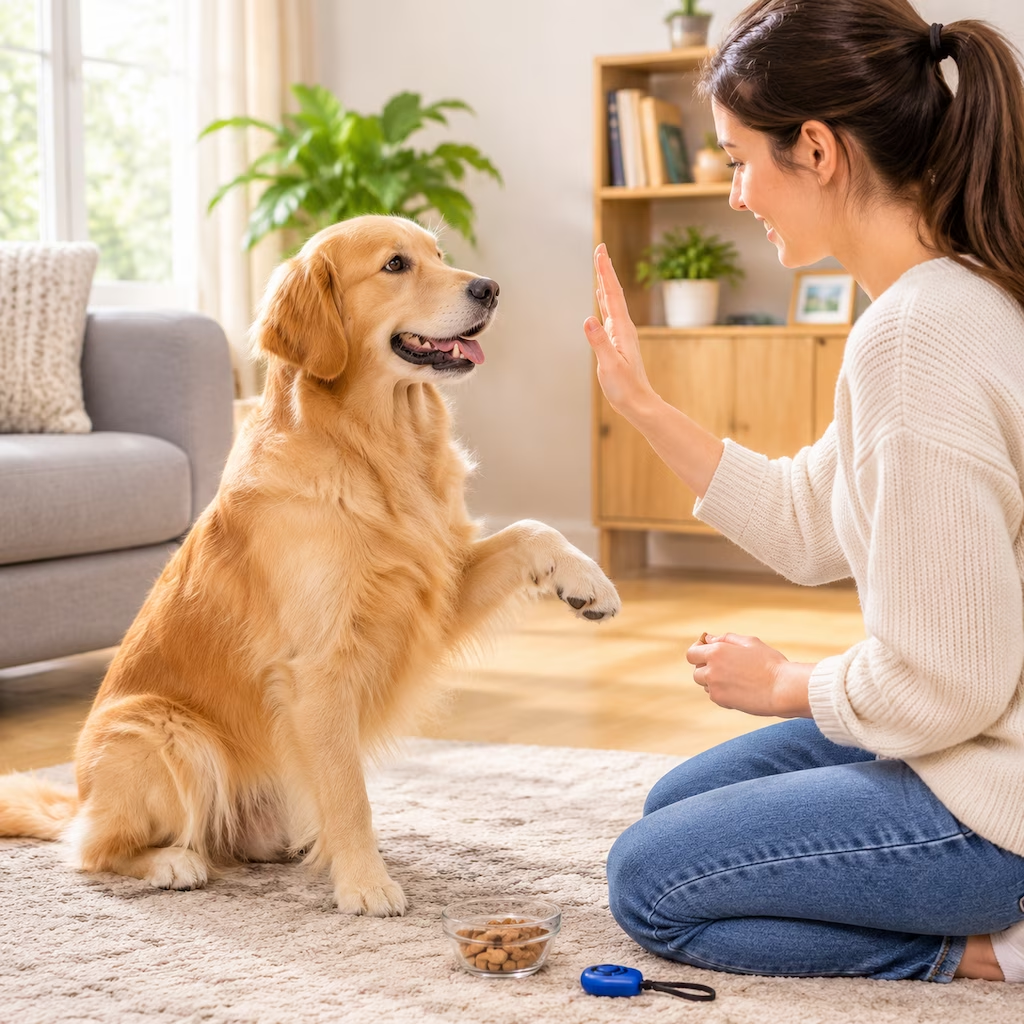
Training is where the difference becomes obvious. Cats can learn, of course, but Miso treated every training session like a business meeting she had not agreed to attend. Juniper leans into training. She sits, stays, shakes, lies down, and rolls over for a treat and a calm word. Training a dog is like adding logs to a fire: each repetition feeds a steady glow of purpose. Dogs seem to enjoy having a job. When Juniper is bored, she finds her own work, and that work usually involves my shoes. A little training prevents a lot of chaos.
Adaptability matters more than I expected. In 2026, my schedule shifts, friends visit, and sometimes the furniture moves. Miso wanted proof that every change was safe. Juniper takes her cues from me. If I am calm when a new person enters, she is usually calm too. That does not mean every dog is relaxed—some are anxious, just as some cats are bold. But as a species, dogs often settle into new routines with less drama. They read our mood and follow our lead.
Protection is another reason I sleep better. Miso’s strategy in a crisis would be to vanish under the bed. Juniper barks when someone approaches the door. She is not a guard dog by training, but she is alert. Even small dogs can warn you about noises and strangers. A loud bark does not need to come from a giant breed to make an intruder think twice. Dogs instinctively defend their people and their territory. Cats may rule a living room, but they are not usually interested in security detail.
Dogs also work beside us in remarkable ways. In 2026, service dogs guide people with visual impairments, assist people with disabilities, support police and military teams, join search-and-rescue operations, and comfort patients. Some detect seizures; some sniff out cancer. Dogs have been herders, drovers, and farm partners for centuries. That history of cooperation still shapes them. They are not just pets; they are colleagues with paws.
Exercise is part of the bargain. Juniper needs walks, and her need gets me outside. We hike, run, and try dog sports such as agility, flyball, disc, and diving. Cats can be playful and active, but most cats do not build their day around a shared walk. A dog turns exercise from a personal chore into a social ritual. That ritual has improved my health and my mood.
The variety of dogs is also astonishing. A Yorkshire Terrier and a Great Dane belong to the same species, yet they look like different drafts of the same idea. If you want a giant dog, a small dog, a herding dog with endless energy, a cuddly lapdog, or a well-balanced mixed breed, there is a dog for almost every household. Cats come in many beautiful coats and sizes, but the range is narrower. For me, the sheer diversity of dogs made it easier to find a companion who matched my daily life.
Finally, there is companionship. The old phrase man’s best friend exists for a reason. Juniper’s loyalty is a well-worn compass needle: even when the apartment layout changes, it keeps pointing toward me. A cat may be the center of its own universe; a dog often makes its human the center of its world. I still admire cats. I still pet them at friends’ houses. But in 2026, I wanted a companion who would walk with me, train with me, warn me, and greet me as if every return home were a small festival.
| Everyday question | My dog answer | My cat answer |
|---|---|---|
| Where does bathroom happen? | Outdoors, on a schedule | Indoors, in a litter box |
| Who sets the training agenda? | We negotiate, but I lead | The cat audits my proposal and declines |
| What happens when plans change? | Usually adapts with calm cues | Usually needs extra proof |
Dogs and cats are not apples and oranges; they are two different kinds of magic. Cats offer quiet independence and elegant mystery. Dogs offer muddy paws, eager eyes, and a partnership that asks something of you. I chose the mud. I chose the schedule. I chose the bark at the door and the warm weight at my feet. For my 2026 life, that choice has been a daily gift. 🐕