
The Playful Paws Guide: Decoding Puppy Play vs. Real Fights
Hey there, fellow dog enthusiast! Ever watched a pile of puppies wrestling and tumbling and wondered, "Is this all in good fun, or are they about to throw paws for real?" It's a question every new pet parent asks, especially in 2025, as we understand more than ever that a pup's early social life is the blueprint for their future. Let's dive into the adorable, sometimes chaotic, world of puppy play and learn how to keep the fun safe and healthy for everyone.
You see, for a puppy, playtime isn't just about burning off that endless battery of energy. It's their primary classroom. From before they're even weaned, these little furballs are learning the rules of the social road through interactions with their littermates. Healthy play builds the foundation for a lifetime of good doggy manners. It's where they learn to read body language—the subtle tail flicks, ear positions, and play bows that say "I'm friendly!" more clearly than any bark. The social skills they pick up now, like taking turns and reading cues, are the very behaviors they'll rely on as confident, well-adjusted adult dogs. Think of it as puppy preschool, but with more slobber and zoomies.
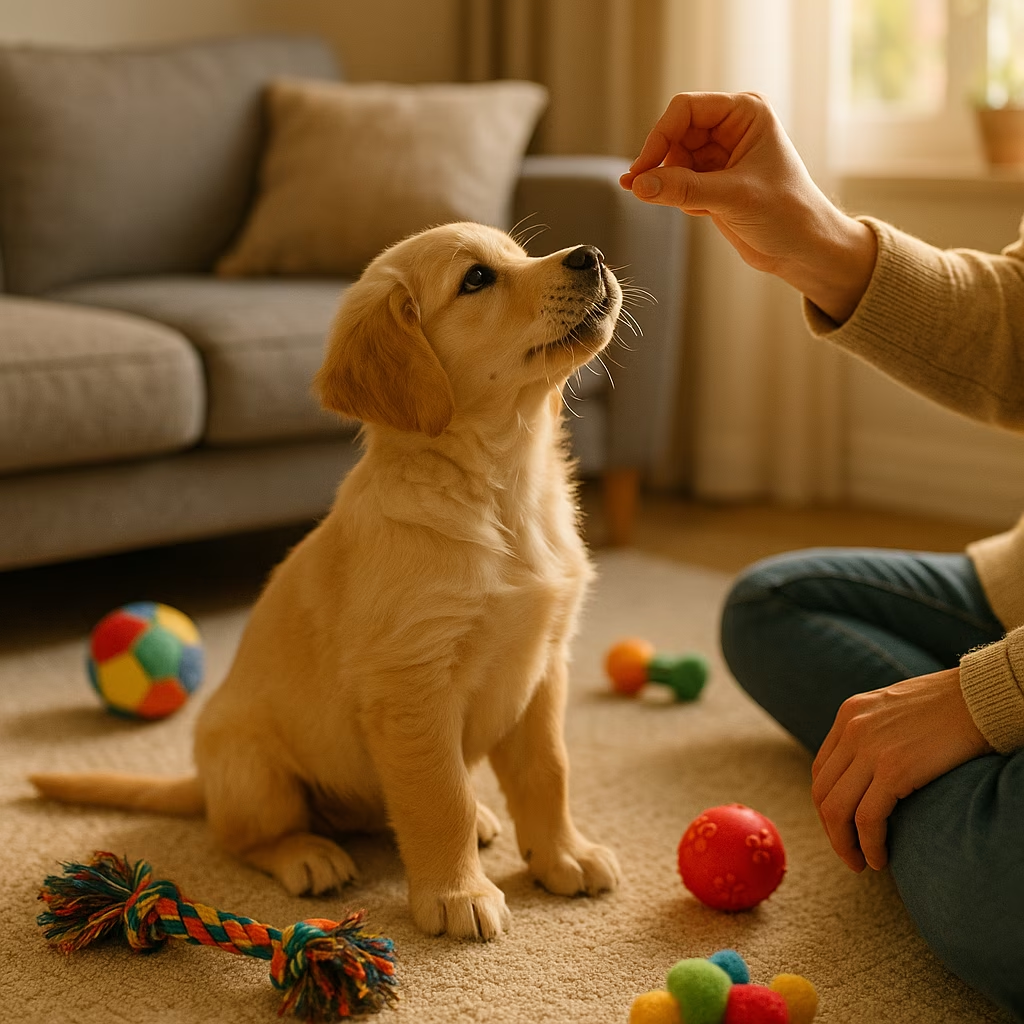
So, how can you tell if you're watching a friendly scuffle or the start of a spat? The key is all in the body language. Puppies engaged in healthy play are the picture of loosey-goosey joy. You'll see:
-
Bouncy, exaggerated movements: They look like little springs, pouncing and bouncing around.
-
Big, open "play faces": Mouths are relaxed and open, often with tongues happily lolling out.
-
Role Reversal: There are no permanent bullies or victims. The chaser becomes the chased, and then they swap again. It's a constant, fair game.
-
Self-Handicapping: A bigger pup might roll onto its back or crouch down to give a smaller playmate a fair shot. How considerate is that?
-
Built-in Breaks: Play isn't constant. They'll tussle, then suddenly stop for a water break or to sniff a fascinating blade of grass. These pauses are a great sign of control.
You might also hear loud, continuous growling during play—don't panic! In this context, it's often just part of the game. The classic play bow (front end down, butt in the air) is the universal doggy signal for "Let's play!"
Now, when play crosses the line into a fight, the vibe changes completely. The body language becomes tense and stiff. Here’s what to watch for:
| Healthy Play Cues | Fight Cues |
|---|---|
| Loose, wiggly body | Stiff, tense posture |
| Open, relaxed mouth | Tight lips, snarling, or low, quiet growls |
| Play bows and role reversal | Hackles raised (hair on back) |
| Taking frequent breaks | Ears pinned flat back against the head |
| Bouncy movements | Intense, focused stare |
Yikes, talk about a mood shift! If you see the fight cues, it's time to step in—but safely. Never, and I mean never, get your hands between two fighting puppies. You could get seriously hurt. Instead, try these distraction techniques:
-
Make a Loud Noise: A sharp clap, a whistle, or shaking a can of pennies can break their focus.
-
Use a Toy to Redirect: Toss a favorite squeaky toy away from the action.
-
The Leash Lift: If your pup is wearing a harness and leash, you can gently use it to guide them away.
-
Recall Command: If your puppy has a solid "come" command, use it! This is a great reason to train a strong recall early.
If one puppy is consistently taking play too far, they might just be...well, a bit bored or overstimulated. Many so-called "fights" aren't about true aggression but about a puppy who has revved their engine too high and doesn't know how to downshift. They get overexcited and pounce on anything nearby—including their patient (or not-so-patient) sibling.
The fix? More solo enrichment! Think of it as giving that high-energy pup their own constructive outlet.
-
Interactive Toy Time: Stuff a Kong with peanut butter, use a snuffle mat, or have a solo session chasing a ball.
-
Mental Gym: Teach basic commands like "sit," "down," and "stay." Puppies can start learning as early as 7-8 weeks old! This mental workout tires them out just as much as physical play.
Speaking of learning, enrolling in a modern, well-run puppy socialization class around 8 weeks of age is one of the best investments you can make in 2025. A good class provides:
✅ Safe, supervised play with other pups.
✅ Foundational training skills (like that lifesaving recall!).
✅ Mental stimulation to combat boredom.
✅ Education for you on dog behavior and communication.
Now, finding the right trainer is crucial. The dog training world isn't like veterinary medicine—it's not strictly regulated. Anyone can hang a shingle. So, you've gotta be a savvy consumer. A great, science-based trainer in 2025 will:
-
Use positive, evidence-based methods (no fear or intimidation).
-
Pursue certifications and continuing education.
-
Be happy to let you observe a class before committing.
-
Collaborate with your vet if needed.
-
Never guarantee results. (If it sounds too good to be true, it probably is! Every dog, like every person, is an individual.)
At the end of the day, puppy play is non-negotiable. It's essential for raising a confident, happy dog. Our job is to be savvy observers, knowing when to let the romping continue and when to gently guide them toward a calmer activity. By providing plenty of appropriate solo outlets for that aggressive play energy and ensuring they have positive social lessons, we're setting our furry best friends up for a lifetime of successful friendships. And honestly, isn't that the goal? To have a well-adjusted pup who knows how to have fun without causing a fuss. Now, go enjoy watching your pups play—with a new, expert eye!