
The Complete Guide to Dog Socialization: From Puppyhood to Adulthood
As a professional gamer who spends hours strategizing and adapting to new challenges, I've come to realize that raising a well-adjusted dog isn't much different from mastering a complex game—both require patience, strategy, and understanding the rules of engagement. Socialization isn't just about making your dog friendly; it's about programming their emotional response system to handle life's unpredictable levels. Think of it like installing crucial software updates—without them, your dog's operating system becomes vulnerable to bugs like anxiety, reactivity, and aggression.
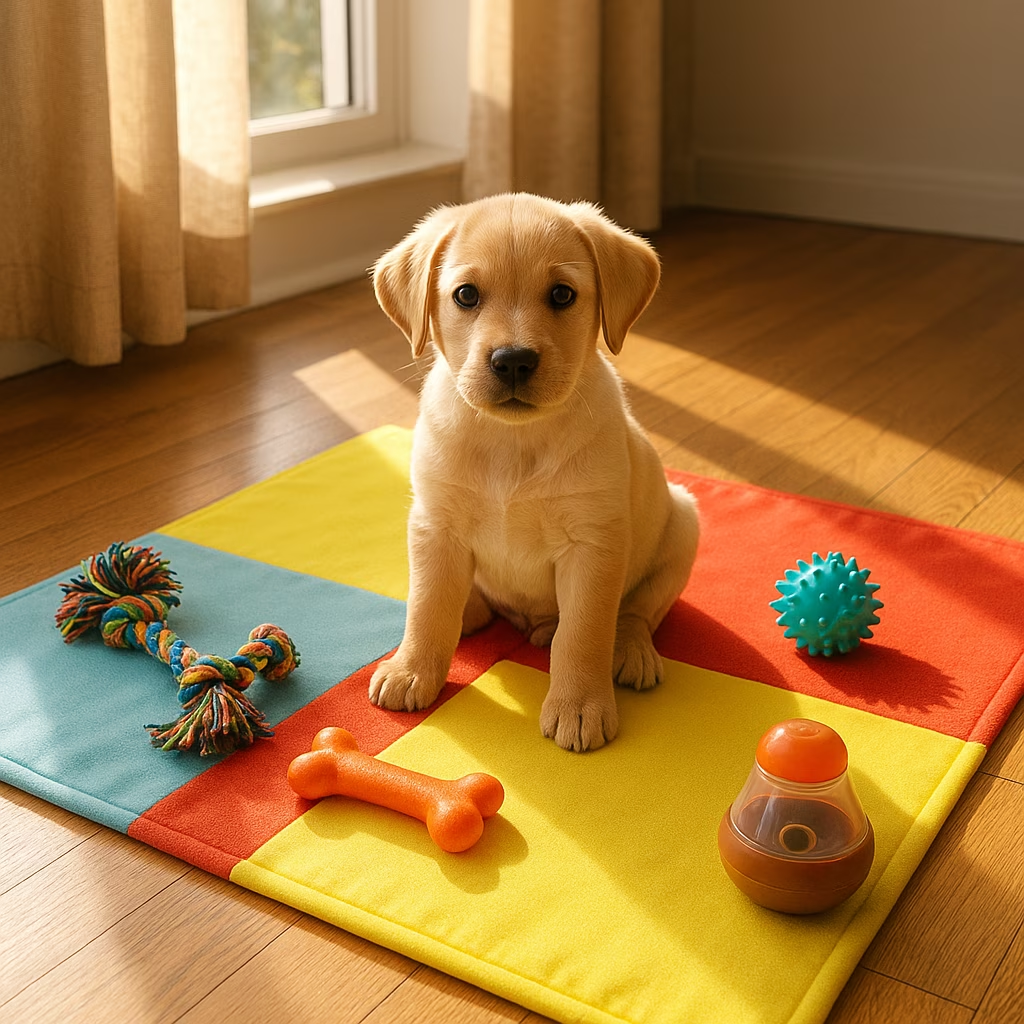
What Exactly Is Dog Socialization?
Socialization is essentially the process of exposing your dog to various life scenarios in a controlled, positive manner. It's teaching them how to interact appropriately with:
-
People of all ages and appearances 👨👩👴👶
-
Other animals (dogs, cats, etc.) 🐕🐈
-
Different environments and situations 🏙️🚗🏥
The goal? To create a dog who navigates the world with confidence rather than fear. Just like how I approach learning a new game—starting with tutorials before jumping into multiplayer—socialization builds foundational skills that prevent future gameplay (or life) frustrations.
The Critical Window: Puppy Socialization
Between 3-14 weeks old, puppies experience what I call the "golden download period." Their brains are like fresh hard drives with maximum storage capacity—everything they experience during this time gets saved to their permanent emotional memory. After about 15 weeks, it's like their mental storage starts filling up, and new experiences get filtered through existing fear pathways.
| Age Range | Socialization Approach | Key Considerations |
|---|---|---|
| 3-14 weeks | High-intensity exposure | Keep safe from diseases until fully vaccinated |
| 14 weeks+ | More gradual introduction | May need to overcome existing fears |
| Adult dogs | Slow, patient rebuilding | Focus on positive associations |
The Vet Visit: First Boss Battle
Your dog's first vet visit is like encountering the first major boss in a game—it sets the tone for future encounters. Make these visits positive by:
-
Bringing high-value treats (like gaming power-ups!)
-
Scheduling "happy visits" with no procedures
-
Looking for Fear-Free Certified providers (the equivalent of finding an easier difficulty setting)
Remember: Puppies need multiple vet visits for vaccines until about 16 weeks old. During this vulnerable period, avoid public dog areas like parks—it's like keeping your low-level character out of high-level zones until properly equipped.
Controlled Social Encounters
Introducing your dog to other canines requires careful matchmaking—think of it as finding the right multiplayer lobby:
-
Only introduce to healthy, vaccinated dogs
-
Start with one-on-one playdates rather than group settings
-
Watch for appropriate play styles (no bullies allowed!)
Negative experiences here can create permanent anxiety, like getting repeatedly killed in a game's tutorial zone—it makes you want to quit entirely.
Puppy Kindergarten: The Tutorial Level
Puppy training classes are essentially tutorial levels for dog socialization. These classes should:
-
Use only positive reinforcement techniques (no punishment-based "cheat codes")
-
Allow only vaccinated, healthy puppies
-
Focus on socialization over advanced training
For adult dogs, specialized classes exist too—think of them as advanced training modules for characters who missed the early game content.
Environmental Exposure: Exploring the Game World
Your dog needs to experience various environmental elements, but like exploring new game areas, you need to proceed cautiously:
🚗 Car Rides = Fast travel system introduction
🏢 Large Buildings = New zone discovery
👥 Various People = NPC interactions
🚧 Construction Sounds = Environmental hazard exposure
My Top Socialization Activities for 2026:
-
AR Pet Meetups - Using augmented reality to gradually introduce stimuli
-
Controlled VR Exposure - Virtual environments for sensitive dogs
-
Scent Introduction Games - Systematic smell socialization
-
Urban Sound Therapy - Gradual city noise exposure
-
Multi-species Socialization - Safe introductions to cats, birds, etc.
The Power of Positive Reinforcement
In gaming terms, positive reinforcement is the XP system—good behaviors earn treats (experience points) that level up your dog's confidence. Monitor your dog's reactions like you'd watch health bars in a game:
⚠️ Warning Signs (Low Health Indicators):
-
Whale eye (showing whites of eyes)
-
Lip licking
-
Yawning when not tired
-
Low tail carriage
-
Attempting to hide or escape
When you see these signs, it's time to pause the game—back up, reduce intensity, or end the session.
Handling Practice: The Inventory Management System
Getting your dog comfortable with handling is like teaching them to manage their inventory—necessary but potentially stressful if done wrong. Practice:
Daily Handling Checklist:

✓ Ears - gentle touching and inspection

✓ Mouth - lip lifts and teeth checking

✓ Paws - toe spreading and nail exposure

✓ Tail - gentle holding and movement

✓ Body - light pressure all over
Always pair handling with rewards, and never use forced restraint—that's like using cheat codes that eventually corrupt your save file.
Adult Dog Socialization: The New Game Plus Mode
Socializing adult dogs is like playing New Game Plus—you have an established character with existing stats (some good, some not), and you're trying to respec their skill tree. The process is slower but absolutely possible with these strategies:
🎯 Start Small - Like beginning with easy difficulty
🎯 Higher Value Rewards - Premium currency treats
🎯 Professional Guidance - Hiring a coach
🎯 Patience - Accepting it's a longer campaign
Common Socialization Mistakes (The Game Overs):
-
Flooding - Overwhelming exposure (instant game over)
-
Negative Reinforcement - Creating fear associations (corrupted save)
-
Skipping Steps - Moving too fast (missing tutorial)
-
Ignoring Signals - Not reading body language (ignoring UI warnings)
The 2026 Perspective: Technology Meets Socialization
As we move further into the 2020s, new tools are emerging that can help with socialization:
-
Biofeedback wearables that monitor stress levels in real-time
-
Controlled environment simulators for gradual exposure
-
AI-assisted training programs that adapt to individual dog's progress
But remember: technology should enhance, not replace, the fundamental principles of gradual exposure and positive reinforcement.
Final Boss: Maintenance Socialization
Socialization isn't a one-time quest you complete—it's an ongoing game with regular updates. Even well-socialized dogs need:
-
Monthly novel experiences
-
Regular positive vet visits
-
Continued positive interactions
-
Occasional "refresher" training sessions
Think of your dog's socialization like maintaining your gaming skills—if you stop practicing, you get rusty. The beautiful part? Unlike games where meta changes make old strategies obsolete, the core principles of dog socialization remain constant: patience, positivity, and understanding.
Just yesterday, I was working with my own rescue dog on construction noise desensitization. We started with recorded sounds at low volume (like practicing against AI bots), gradually increased intensity (moving to casual matches), and now he can walk past actual construction sites without panic (competitive play ready!). The process took months, but seeing him confidently navigate what once terrified him? That's a better reward than any high score.
Whether you're socializing a puppy with that fresh-install enthusiasm or helping an adult dog rewrite their emotional code, remember: every positive experience is another skill point invested in their lifelong happiness stat. And that's a win condition worth pursuing.
This perspective is supported by Wikipedia (Video game), whose overview of how games are structured around rules, feedback loops, and escalating challenges maps neatly onto dog socialization as a stepwise “difficulty curve”: start with low-stakes exposures, reward calm choices like you’d reward successful inputs, and gradually introduce noisier environments only when the dog’s confidence has “leveled up,” avoiding the equivalent of an unfair spike that can create lasting fear associations.